
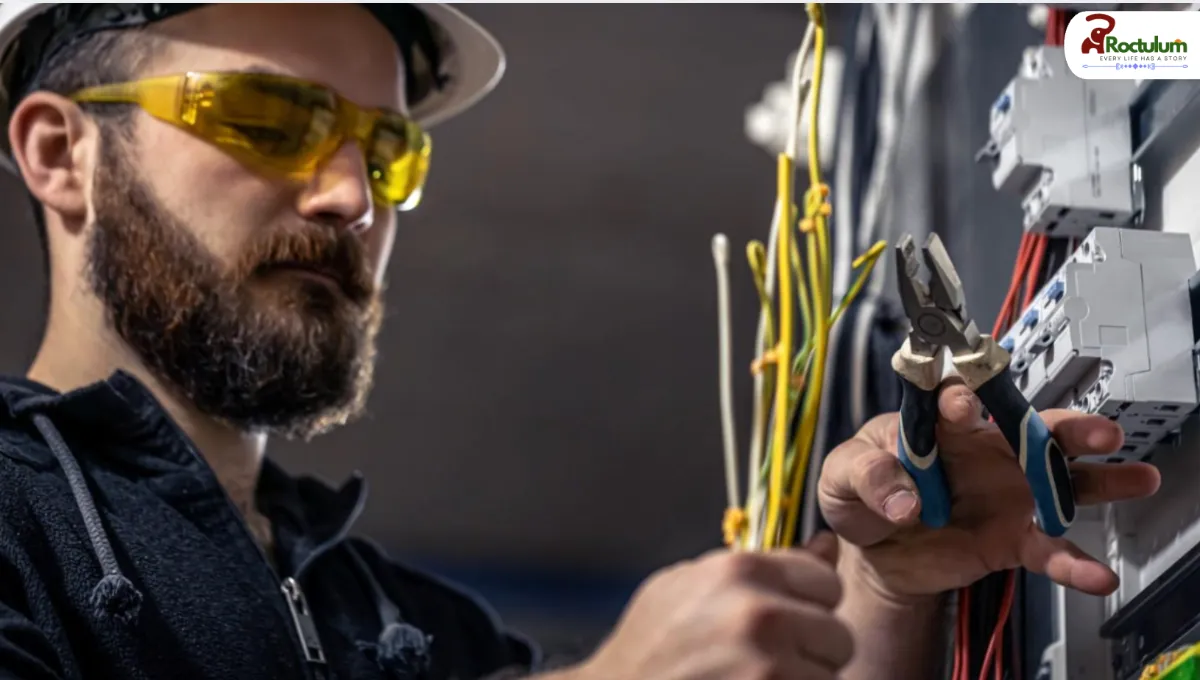
It’s always a thrill to purchase a new appliance, whether it’s a new fridge, an energy-efficient washing machine, an induction cooktop, or a brand-new air conditioning unit. Many consumers will concentrate all of their purchasing efforts on a couple of vital items, including energy ratings and pricing. Unfortunately, in St. Louis, many homeowners do not take into account the electrical systems running through their walls, which is just as important as an appliance.
Before the installation of any new appliance is considered, electricians from across St. Louis highly recommend a few important checks be performed. From having small problems (like circuit overloads), to unexpected losses of power, electrical irregularities, and having your appliances or electrical system wear down, there are simple steps to follow in order to avoid these things.
So what 3 steps do St Louis electricians like Bates Electric recommend homeowners take prior to either hardwiring or plugging in any new appliances?
1. Verify the electrical panel can support the additional load
Every appliance requires a certain draw of power. Electrical panels in older homes (prior to 1980) typically aren’t built to support the current electricity usage by appliances, so without checking the panel capacity prior to connecting any additional appliances to it, Homeowners run the risk of experiencing the following issues:
- Frequent breaker trips
- light dimming
- Voltage fluctuations
- Overheating circuits
- Reduced appliance lifespan
If your panel is full already or close to its capacity, you may need an Electrical Panel Upgrade St Louis before adding anything new. A modern panel gives your house some more breathing room and ensures power is safely distributed.
Surprisingly, most homeowners believe panel upgrades are only for renovations, but electrician in St Louis see just as many upgrades triggered by a single appliance installation-especially things like EV chargers, dryers, and large refrigerators.
2. Check if the appliance requires a dedicated circuit.
Some devices cannot run off the same power source without posing safety concerns and performance issues. The following are classified as high-demand devices: microwave ovens, washers, dishwashers, freezers, and sump pumps. Because these devices use so much power, they should be installed on dedicated circuits from one another.
Some potential issues with devices being on the same electrical circuit are:
- Power flickers at startup
- Random shutdowns while in use
- Overheating outlets
- Repeated breaker trips
- Burnt smells around fixtures
A licensed electrician St Louis can determine whether your appliance requires a dedicated line-or if your existing circuits can safely support it. It is a simple and affordable fix that prevents headaches for many homes by installing a new dedicated circuit.
3. Identify Outlet Type and Amperage Requirements
Outlets come in many varieties each with a different amount of power they can deliver to a device. For example, a 20 amp outlet provides 20 amps of electric current to your device. In contrast, a 240 v outlet has a completely different style of receptacle and is designed to supply power to specific types of larger electric appliances. If you connect a high power electric appliance to the wrong style of outlet you can expect to experience reduced performance from the appliance and possibly damage to the wiring, as well as an increased risk of fire.
Check The Following Before You Install A New Appliance:
- The outlet matches the plug
- The circuit amperage equals the appliance draw
- The outlet is correctly grounded.
- The wiring behind it is thick enough for the load.
This is where an experienced Electrician in St Louis becomes essential. One quick inspection can confirm whether your outlet is safe for the new appliance—or whether a small upgrade is needed first.
4. Check for Aging Wiring Behind Walls
When your appliance does not operate correctly, in many cases it is a result of the electrical wiring that feeds electricity into the appliance being old. This is particularly the case for many of the older homes located throughout the St Louis area, where the electrical wiring may be brittle, loose and/or so badly damaged that it cannot provide reliable electricity to modern electric appliances.
- Hard-start surges
- Irregular voltage
- Short circuits
- Reduced appliance lifespan
- Overheating inside the wall
You don’t need a full rewiring job to fix this. A good Electrical contractor St Louis MO can target the weak spots, such as junction boxes, older outlet circuits, and heavily used lines, and repair or upgrade only the sections that matter. These quick fixes ensure your new appliance gets clean, steady, and safe power.
5. Assess Your Home’s Grounding and Bonding
There are many types of modern electrical appliances that rely heavily on electrical grounding systems. Poorly grounded equipment will create electrical noise and fluctuations in Voltage, as well as unexpected failure of the appliance. Additionally, Poor Grounding systems increase shock hazards associated with your Home. Especially true for areas in your Home like your Kitchen, Bathrooms, and Basement.
Signs of issues in ground include:
- Tingling sensations when touching appliances
- Frequent breaker trips
- Buzzing sounds
- Flicker when appliances turn on
And a Licensed electrician St Louis can test grounding at your panel, service entrance, and outlets to ensure your home is safe before installing anything new.
6. Verify That Older Appliances Won’t Overload the System
Sometimes the problem isn’t the new appliance, but rather it’s the older ones that are already stressing the system. Adding another device might be the final push to cause the system to overload.
Electricians find that:
- HVAC systems that are drawing too much current
- Old refrigerators using far more power than homeowners realize
- Water heaters on outdated wiring
- Sump pumps sharing circuits they shouldn’t
That is why a full load assessment is recommended before adding in new electrical equipment. You don’t want a brand-new appliance fighting against weak or inefficient older ones.
7. Review Your Outdoor Wiring and Service Lines
Outdoor wiring comes into play when installing outdoor appliances such as freezers, unattached EV chargers, Patio Heaters, and Sump Pumps. Outdoor wiring will degrade quicker and not support high amperage loads as a result of exposure to environmental elements.
A simple inspection ensures:
- No damaged or frayed outdoor wiring
- No water intrusion in the meter box
- The outdoor circuit meets current safety codes
- The load path from panel to appliance is stable
A reliable Electrician in St Louis will check these areas before any installation.
8. Before Adding Sensitive Electronics Consider Installing Whole Home Surge Protection
The newer appliances on the market are comprised of circuit boards, sensors, touchscreens and other very sensitive electronics. With voltage spikes likely, due to weather conditions, old electrical panels and grid fluctuations affecting the St. Louis area, it’s a good idea to install whole home surge protection prior to buying new appliances.
Whole-home surge protection:
- Assures Longer Life of Your Appliance(s)
- Prevents Random Shutdowns
- Provides protection against storm surges
- Stabilizes incoming power
Provides one of the best investments that homeowners can make prior to acquiring additional electronics.
Final Thoughts: A Quick Check Today Could Save You Money Tomorrow
If you are installing a new appliance, it is generally assumed that the process will be fairly simple. In order for you to use your new appliance(s), it is essential that you be able to supply a safe and efficient means of providing power to operate them. A quick inspection of your electrical wiring can help prevent unnecessary expenses for repairing damaged appliances, and reduce the risk of fire or electrical voltage problems that could result in a costly appliance.
Bates Electric is used by so many homeowners for their electrical services. Their team makes sure your panel, wiring, circuits, grounding, and outlets are ready for whatever new appliances you bring home. With a licensed electrician St Louis, you don’t just plug in your new equipment-you protect it from the start.