
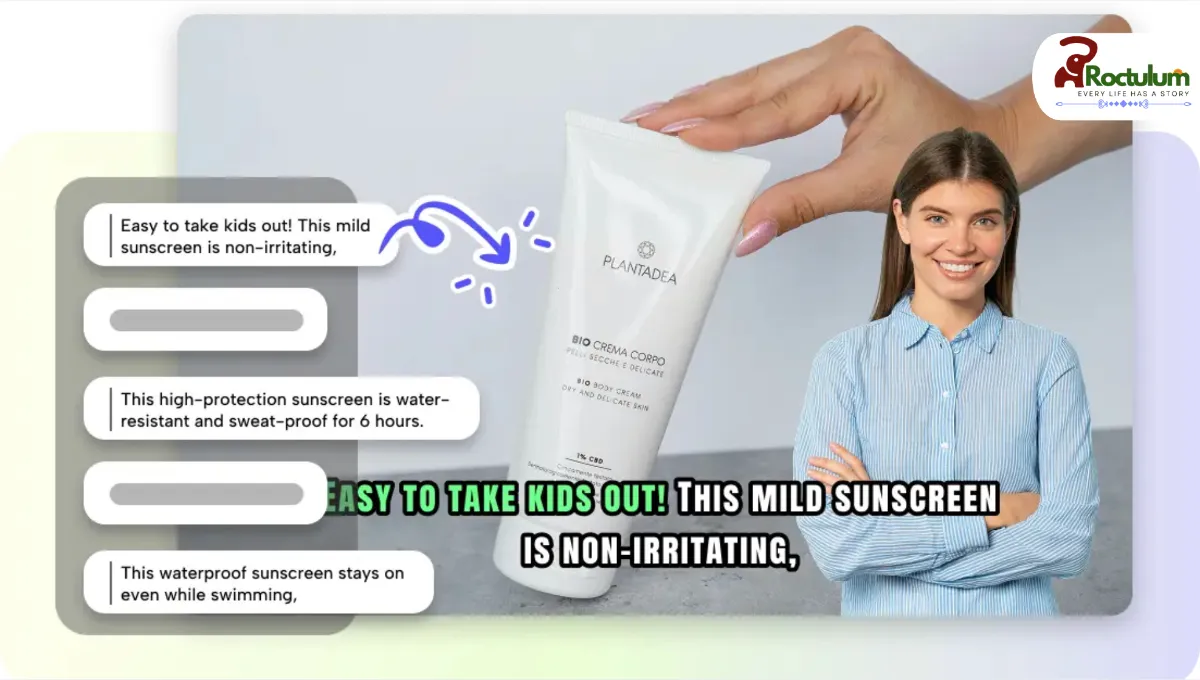
The beauty industry is about images. Customers desire viewing of how products perform, what they feel as well as their application. Still images tend to lack the experience. This is where Pippit comes in. Through photo to video AI, creators and brands will be able to convert still images of beauty products into a moving video tutorial. Be it showing a skincare regimen, applying makeup, or showing the change of products, Pippit enables creators to create tutorials of professional quality without an intricate system. Converting a picture into a video, Pippot allows beauty professionals to teach, motivate, and engage people and use less time and resources.
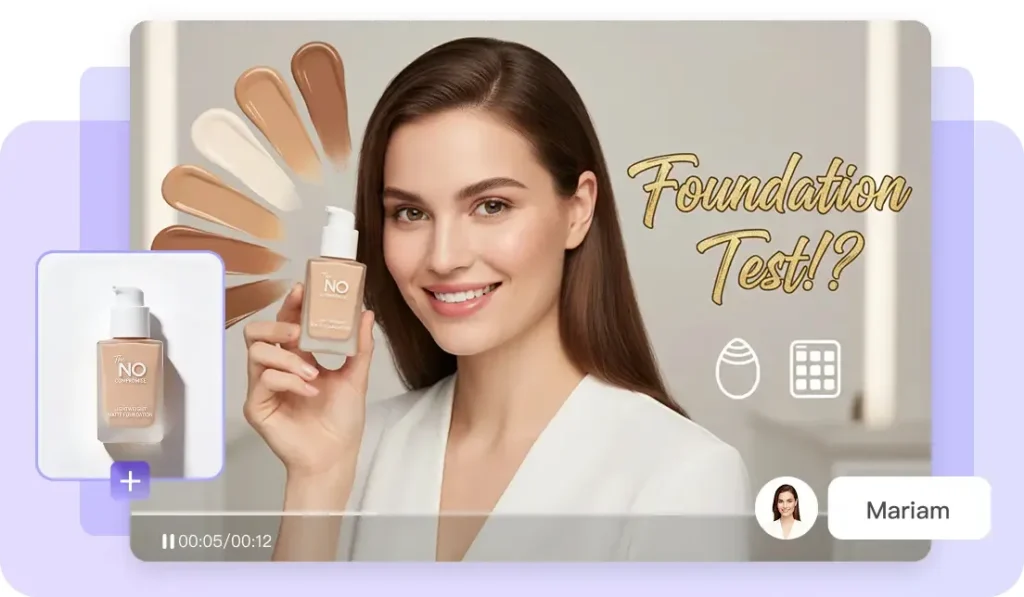
The reason why beauty tutorials are better in video
Good beauty tutorials are those where the viewer is able to see products in practice. Videos enable viewer to see the textures and combing techniques and effects in real time, which cannot be reproduced by the use of text or image only. Such apps as Tik Tok, Instagram Reels and YouTube Shorts incentivize attention-grabbing content that keeps the audience entertained. The conversion of product photos to videos will enable makers to bring out a story showing how the product works step by step illustrating its features and advantages.
Adding lip sync and narration to involve the audience further
The tutorial is reinforced with the inclusion of a voice over or character explanation. The viewers react to explicit guidelines and background in acquiring new techniques. Pippit’s lip sync AI integration enables the avatars or digital guides to sound natural in addition to animated products and this makes their interaction with the learner an interactive process. This is particularly handy when the creators intend to provide tutorials in more than one language, show the audience how to do something complicated, or provide some hints without losing their attention.
The use of both narration and animation is also essential to make sure that the audiences are familiar with each step and can associate with the brand. Lip-synced characters can accentuate the features, clarify habits or give tips and improve the whole tutorial experience.

Conserving time and generating more content
Creating several beauty tutorials per week can overwhelm the marketing teams and creators. Time spent on production is minimized by making use of AI tools. A single set of product images may be converted into various videos with varying styles, narration or edits. This enables a brand to have a regular content schedule without hours of shooting and editing.
An AI video agent is able to perform such tasks as sorting of images, filtering with transitions, audio-video synchronization, and creating refined final products. When these processes are automated, the creators can do storytelling and product presentation instead of technical production work. Consistency that comes as a result of efficiency is essential in creating brand recognition and confidence in the beauty market.

How to make beauty product videos using photos with Pippit
Pippit makes it easy to convert pictures into high-quality videos in the form of tutorials. Creators do not have to use various tools; instead, it is possible to adhere to a straightforward workflow.
Step 1: Upload your images
Visit the Pippit web page and press the Start free button to create an account and enter the main dashboard. Click in the left panel on the line “AI video generator” or select on the main screen the option Video. On the “Turn anything into video” page, type in your idea on the video. You can upload your product images to your computer, Dropbox, phone, or a direct link by clicking +. Pippit assembles the pictures in a series, which is ready to be animated and told in a visual form.

Step 2: Turn images into video
Click on the option of Choose a model and choose between such options as Pippit Standard, Pippit Lite, Sora 2, or Veo 3.1. You can add an AI avatar to guide or demonstrate with your products, including it with the use of an @ button, should you wish. Optional: Add a reference video to assist in guiding style, transitions and pacing.
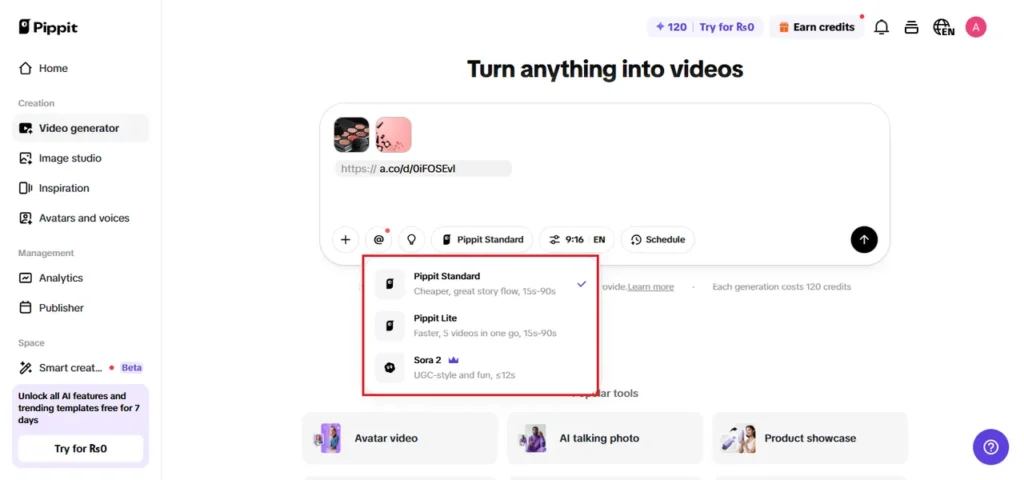
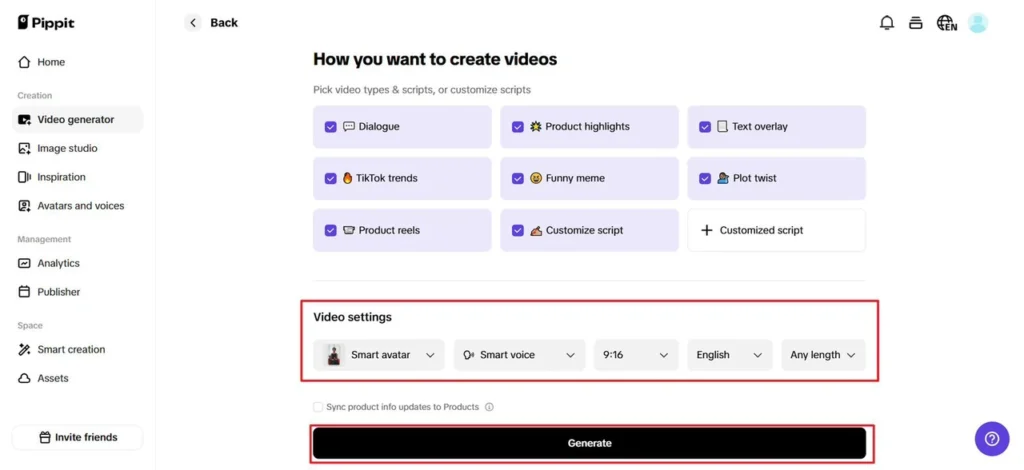
Then, create a video personalization, such as aspect ratio, length, and language. After that, you can create your video by clicking on the name Pippit and selecting the option to create an animation video out of your pictures. The AI will read your prompts and provide natural motion between frames.
Step 3: Edit and export video
Watch the created video and listen to the movement, transition, and so on. Click on the button “Edit more” to enter the AI video editing arena, which allows splitting, trimming, cropping, replacing backgrounds, or rearranging sequences.

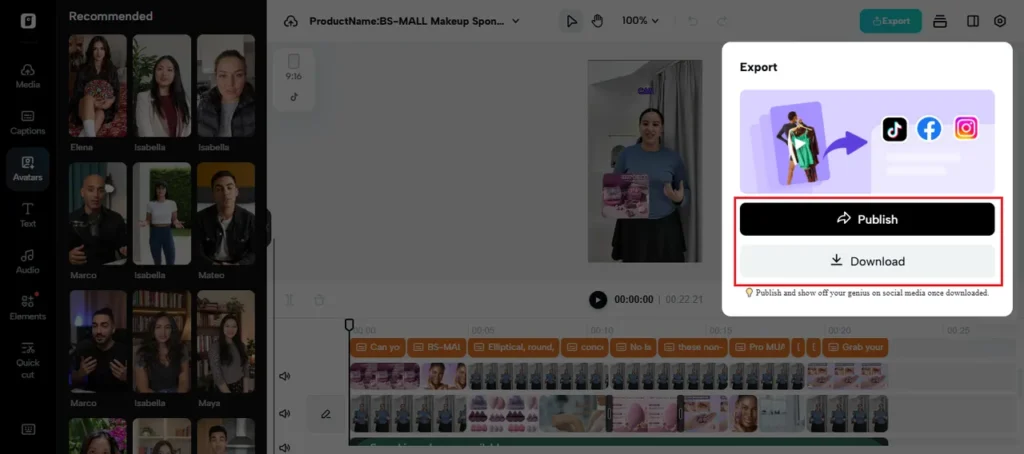
After being satisfied, one can save the video by clicking on Download or can publish it on social media by clicking on Publish. This procedure makes sure that beauty tutorials are prepared to talk to the audiences in real time without elaborate filming or post editing.
Optimizing the use of animated tutorials
Dynamic tutorials are better than the static content, since they capture the attention and are interactive. Making tutorials look engaging and educational through animation of product photographs, the incorporation of lip-synched explanations, and the use of AI-powered avatars, creators make tutorials appealing and educational. The videos can be turned into various formats including short videos to be used in Tik Tok or Instagram Reel.
Begin producing gorgeous beauty tutorials with Pippit
The beauty business is dependent on visual narratives. With Pippit and AI technology, the creators will be able to convert the image of the product into a smooth and entertaining video tutorial. Pippit is equipped with all the latest agents to make high-quality content in a very efficient manner.
In case you are interested in enhancing your beauty brand and making appealing video tutorials regularly, start using Pippit now. Turn plain product images into a beautiful tutorial that informs, motivates and entertains your viewers.