
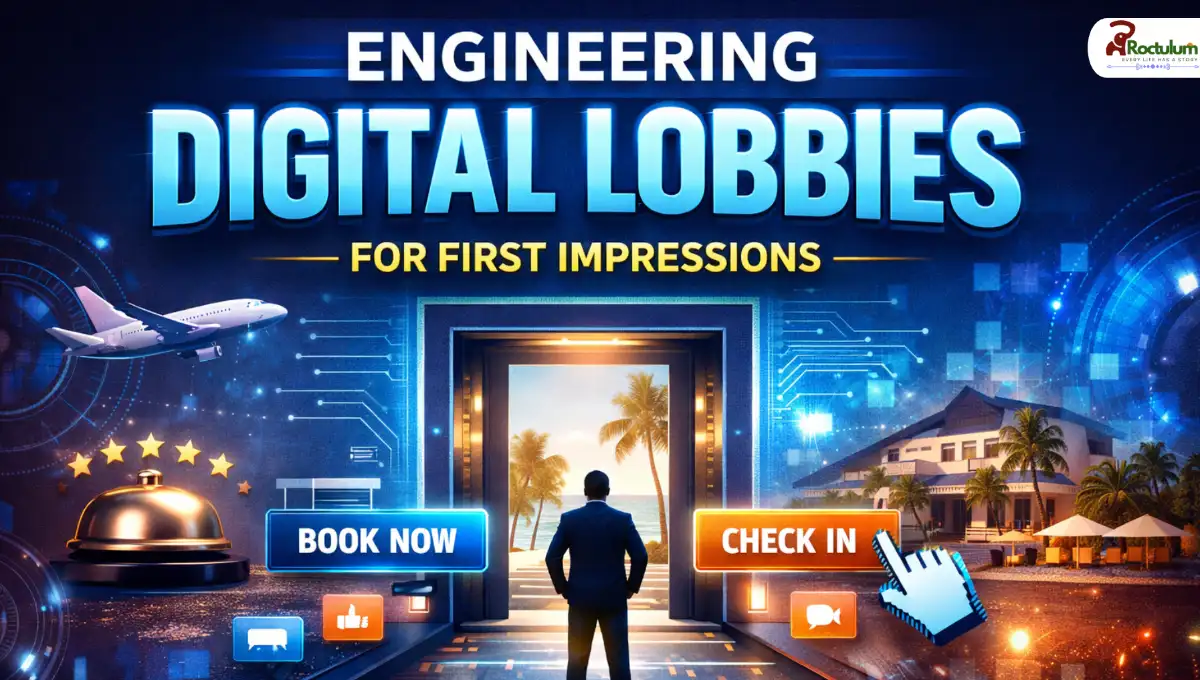
Tourism and hospitality businesses compete on perception. Before a guest books a room or reserves an excursion, they evaluate the digital experience. The first interaction often occurs online, and that interaction shapes trust.
Websites are no longer static brochures. They function as digital lobbies. Just as a hotel lobby sets expectations for service quality, a website’s entry architecture influences user confidence, clarity, and engagement depth.
For platforms like RocTulum.com, which represent destinations and experiential travel environments, the design of digital entry points determines conversion rates and brand credibility. Professionals managing tourism and hospitality ecosystems must treat digital lobbies as strategic assets rather than visual embellishments.
The Digital Lobby Concept and Structured Access Models
A digital lobby is the structured entry environment of a platform. It centralizes access. It organizes navigation. It establishes tone and reliability within seconds.
Interactive ecosystems outside tourism demonstrate how structured lobby systems improve retention and continuity. For example, a consolidated environment such as the desi login model shows how a unified lobby interface brings together multiple interactive features under one secure entry point. The platform’s lobby architecture emphasizes streamlined navigation, clear account access, and organized content zones that prevent user confusion. Instead of scattering features across disconnected pages, it integrates access within a centralized environment that reduces cognitive load and supports longer session duration. The relevance for tourism platforms lies in structural clarity. When visitors encounter an organized and intuitive entry interface, they interpret it as operational competence, which directly influences booking confidence.
Digital lobby design influences perception before any transaction occurs.
Centralized Navigation and Immediate Orientation
Visitors arriving at a tourism website seek clarity. They want to know where to click, how to explore accommodations, and how to review available experiences.
An effective digital lobby includes visible categories, concise calls to action, and prioritized navigation paths. Overloaded menus create hesitation. Minimalist clarity supports exploration.
When orientation is immediate, user confidence increases.
Structured Access and Trust Signals
In hospitality, trust drives conversion. Security badges, transparent pricing displays, and visible contact options reassure visitors.
Structured login environments in interactive ecosystems show that authentication and transparency build continuity. Tourism platforms should replicate this discipline through visible policies, consistent design language, and secure payment gateways.
Trust signals reduce abandonment.
Content Zoning and Flow Control
Digital lobbies must segment information logically. Accommodation listings, destination guides, booking tools, and testimonials should not compete visually.
Zoning enhances comprehension. Clear segmentation improves decision-making.
Flow discipline increases booking probability.
Applying Lobby Architecture to Tourism and Experience Platforms
RocTulum represents a destination experience. Its audience includes travelers evaluating options across multiple competing platforms. In such markets, digital presentation influences final choice.
Adopting structured lobby architecture strengthens competitive positioning.
Designing for Exploration and Conversion
Tourism platforms must balance inspiration with functionality. Imagery attracts attention. Structured access converts it.
A digital lobby should:
- Present destination highlights prominently
- Offer quick access to booking tools
- Provide structured experience categories such as excursions, dining, and cultural events
This layered approach supports both browsing and decisive action.
Seamless Onboarding and Reduced Friction
Excessive form fields or complex reservation flows reduce conversion. Just as interactive platforms streamline login sequences, tourism websites should simplify booking initiation.
Short forms and progressive data collection maintain momentum. Momentum reduces dropout.
Consistent Visual Language
Hospitality brands rely on aesthetic coherence. Inconsistent fonts, mismatched imagery, or unclear messaging disrupt perception.
Structured lobby environments in interactive systems maintain visual unity. Tourism platforms must apply the same principle.
Consistency reinforces professionalism.
Strategic Framework for Experience-Driven Industries
Decision-makers managing tourism ecosystems should adopt a structured digital lobby strategy:
- Audit the website’s entry point for clarity, loading speed, and visual hierarchy.
- Consolidate navigation paths to minimize redundant clicks before booking initiation.
- Integrate visible trust markers such as verified reviews, secure payment icons, and contact transparency.
This framework aligns digital presentation with operational credibility.
Technical Performance and User Perception
Loading speed influences trust. A slow homepage signals inefficiency. In travel planning, users compare multiple platforms quickly.
Performance optimization is not optional. Lightweight code, compressed imagery, and responsive design improve user retention.
Technical discipline supports brand perception.
Behavioral Insights in Travel Planning
Travel planning involves emotional and rational components. Users imagine experiences while evaluating practical details.
A structured digital lobby supports both dimensions. Emotional imagery inspires interest. Organized information supports decision-making.
Balance increases conversion likelihood.
Competitive Differentiation Through Digital Architecture
Tourism platforms compete globally. Destinations with similar offerings must differentiate through experience design.
A refined digital lobby communicates attention to detail. Visitors infer service quality from interface quality.
Perception shapes choice.
Long-Term Brand Authority
Digital architecture influences repeat visitation. Travelers who encounter smooth booking processes are more likely to return.
Retention depends on operational clarity.
Clarity sustains reputation.
Conclusion
Digital lobbies function as the first impression in experience-driven industries. Structured navigation, centralized access, and transparent trust signals transform websites into strategic conversion tools.
Interactive ecosystems demonstrate how organized entry environments reduce friction and enhance engagement continuity. Tourism platforms such as RocTulum can apply these architectural principles to strengthen trust, improve retention, and increase booking conversion rates.
For professionals and decision-makers in hospitality, digital lobby engineering should be treated as a core strategic discipline. Structured design communicates competence, and competence influences purchasing decisions in competitive travel markets.